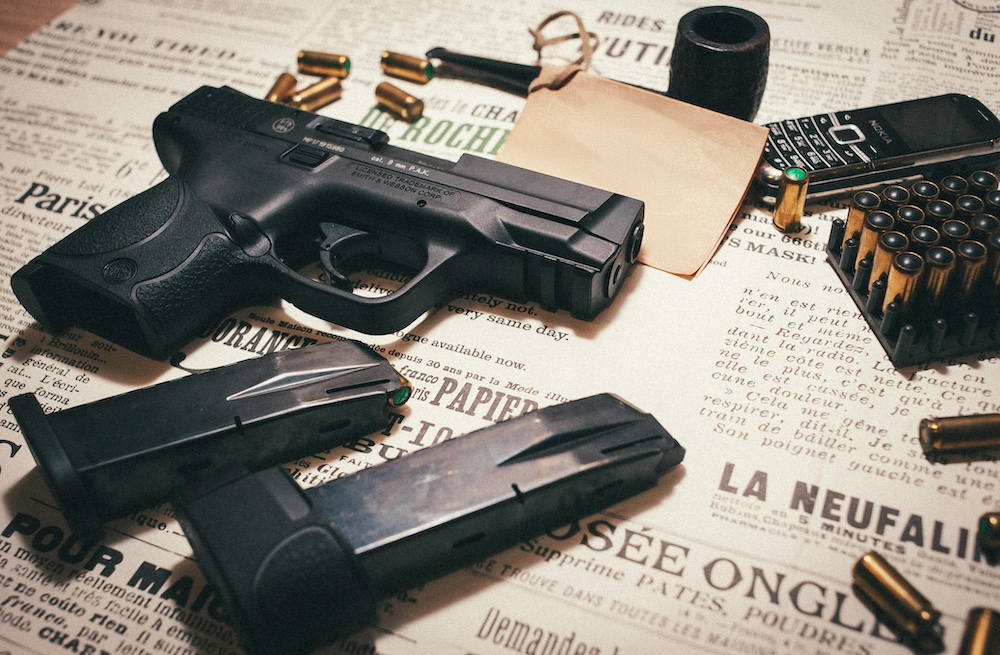
Illegal firearm possession in Canada is a serious criminal offence with severe consequences under the Criminal Code and the Firearms Act. Whether it involves possessing an unregistered gun, carrying a prohibited weapon, or having a firearm without proper authorization, the penalties can include lengthy prison sentences, permanent criminal records, and restrictions on future firearm ownership. Understanding what qualifies as illegal possession and how courts treat these offences is essential for anyone facing firearm-related charges in Canada.
This article explains what constitutes illegal firearm possession in Canada, the types of charges you may face, potential penalties upon conviction, and the defences that may be available with the help of an experienced criminal lawyer.
What Is Considered Illegal Firearm Possession in Canada?
To understand the consequences of illegal firearm possession in Canada, it’s important to first know what the law defines as “possession.” Under section 4(3) of the Criminal Code, a person is in possession of a firearm if they have it on their person, knowingly have it in their care or control, or have it in a place where they have access to it. A firearm is considered illegal if it is possessed without the proper licence or registration, or if it is prohibited or restricted and the individual lacks authorization.
Common examples of illegal firearm possession include:
-
Possessing a firearm without a valid Possession and Acquisition Licence (PAL).
-
Having an unregistered restricted firearm, such as a handgun.
-
Possessing a prohibited weapon, such as an automatic firearm, sawed-off shotgun, or certain high-capacity magazines.
-
Failing to properly store, transport, or secure a firearm in accordance with federal regulations.
-
Possessing a firearm while subject to a weapons prohibition order.
Even if you did not intend to use the weapon, merely having it in your control without legal authorization can lead to criminal charges.
Types of Firearm Possession Offences in Canada
The Criminal Code outlines several specific offences related to illegal firearm possession in Canada. The severity of the charge depends on the circumstances, the type of firearm involved, and whether the offence is linked to another crime.
Unauthorized Possession of a Firearm
Under section 91, it is illegal to possess a firearm without holding a valid licence and registration certificate. This includes situations where a person inherits or borrows a firearm without proper authorization.
Possession of a Prohibited or Restricted Firearm
Section 95 of the Criminal Code** makes it an indictable offence to possess a prohibited or restricted firearm without authorization. This includes handguns, certain rifles, and shotguns that have been modified or are designed to fire automatically.
Possession of a Firearm Knowing Its Possession Is Unauthorized
Section 92 applies when someone knows—or is reckless as to whether—they are in possession of a firearm illegally. This offence is more serious because it involves knowledge or intent.
Careless Use or Storage of a Firearm
Under section 86, it is a criminal offence to use, carry, handle, transport, or store a firearm in a careless or unsafe manner. This includes leaving a firearm accessible to others, especially minors, or failing to secure it with a trigger lock or proper storage container.
Possession for a Dangerous Purpose
Section 88 covers possession of a weapon for a purpose dangerous to the public peace or for committing an offence. Even if the firearm is legally owned, using it in a threatening or reckless manner can lead to serious criminal charges.
Penalties for Illegal Firearm Possession in Canada
The consequences of illegal firearm possession in Canada vary depending on the specific offence, the firearm type, and whether the Crown proceeds summarily or by indictment. However, most firearm-related crimes are treated as indictable offences, meaning they carry significant penalties, including mandatory minimum sentences in certain cases.
Unauthorized Possession (Section 91)
-
Summary conviction: Up to 1 year in jail and/or a fine.
-
Indictable offence: Up to 5 years in prison.
Possession Knowing It’s Unauthorized (Section 92)
-
Up to 10 years in prison.
Possession of a Prohibited or Restricted Firearm (Section 95)
This is among the most serious firearm offences. For a first-time offender, the penalty can range from 3 to 10 years in prison. For repeat offenders, penalties can be higher. While recent Supreme Court rulings struck down some mandatory minimums as unconstitutional, judges still typically impose custodial sentences to deter firearm crimes.
Careless Use or Storage (Section 86)
-
Summary conviction: Up to 2 years less a day.
-
Indictable offence: Up to 5 years in prison.
Additional Consequences
Beyond imprisonment, a conviction for illegal firearm possession in Canada may result in:
-
A lifetime weapons prohibition, preventing you from owning or possessing any firearm or ammunition in the future.
-
Permanent entry in the Canadian Firearms Information System (CFIS).
-
Difficulty finding employment or crossing international borders, particularly into the United States.
-
Confiscation and destruction of any seized firearms.
How Courts View Firearm Possession Cases
Canadian courts treat illegal firearm possession as a threat to public safety. Judges often impose prison sentences to send a deterrent message, even in cases where the firearm was not used. The courts consider several aggravating factors, such as:
-
The firearm being loaded or readily accessible.
-
The firearm being prohibited or restricted.
-
The possession occurring in connection with gang activity or drug trafficking.
-
Prior criminal record or previous firearm-related offences.
Mitigating factors—such as lack of prior record, cooperation with authorities, or circumstances suggesting inadvertent possession—may reduce the sentence, but they rarely result in a discharge.
Defences to Illegal Firearm Possession Charges
Although firearm possession offences are serious, there are legal defences that may apply depending on the facts of the case. A criminal defence lawyer can challenge whether the police had reasonable grounds to search or seize the firearm, whether you had actual knowledge or control of it, or whether your Charter rights were violated during the investigation. Common defences include:
-
Lack of knowledge: You were unaware of the firearm’s presence, such as in a shared vehicle or residence.
-
No intent to possess: You did not have control or authority over the firearm.
-
Improper search and seizure: If police obtained evidence through an unlawful search, it may be excluded under section 24(2) of the Charter.
-
Licence or registration errors: You held a valid licence that was not properly recorded.
A skilled lawyer can analyze police procedures and identify weaknesses in the Crown’s case that could lead to withdrawn charges, reduced penalties, or acquittal.
What to Do If You’re Charged with Illegal Firearm Possession
If you are charged with illegal firearm possession in Canada, you should seek immediate legal representation. Do not attempt to explain your situation to police without a lawyer present. Anything you say may be used as evidence against you. A defence lawyer can review the details of your arrest, determine whether your Charter rights were respected, and develop a strategy tailored to your case.
Early legal intervention can sometimes prevent formal charges or result in lesser offences being pursued. Firearm cases require careful handling, as even a single conviction can have lifelong consequences.
If you are facing charges for illegal firearm possession, contact De Boyrie Law today. Contact us now to schedule a free, confidential consultation.

Alex is a dedicated criminal defence lawyer serving Toronto and the GTA. He has experience handling a wide range of charges including bail hearings, assault, sexual offences, drug crimes, firearms, impaired driving, and more. Known for his professionalism, availability, and strong advocacy, Alex takes pride in guiding each client with care and consistency. If you’ve been charged with a criminal offence, we offer a free consultation so you can explore your legal options with no financial risk.