Understanding Pardons in Canada
A pardon, officially referred to as a record suspension, is a legal process that allows individuals with criminal records to have those records set aside. In Ontario, as in the rest of Canada, pardons are granted by the Parole Board of Canada. While the record is not erased, it is kept separate and apart from other criminal records, making it invisible in most criminal record checks. This is an important step for many people seeking to rebuild their lives after a conviction, as a criminal record can prevent access to employment, volunteer opportunities, housing, immigration processes, and travel. Understanding how to obtain a pardon in Ontario is critical for anyone hoping to move forward without the stigma of past mistakes.
Eligibility for a Pardon
Not everyone is immediately eligible to apply for a pardon. The law sets out specific waiting periods that must be met before an application can be made. For summary offences, which are less serious charges, individuals must wait five years from the completion of their sentence. For indictable offences, which are more serious, the waiting period is ten years. Completion of a sentence includes not only jail time but also probation, fines, restitution, or any other court-ordered obligations. Additionally, the applicant must not have committed any further offences during the waiting period. Individuals convicted of certain serious offences, such as sexual crimes involving minors, are not eligible for a record suspension.
Steps to Apply for a Pardon in Ontario
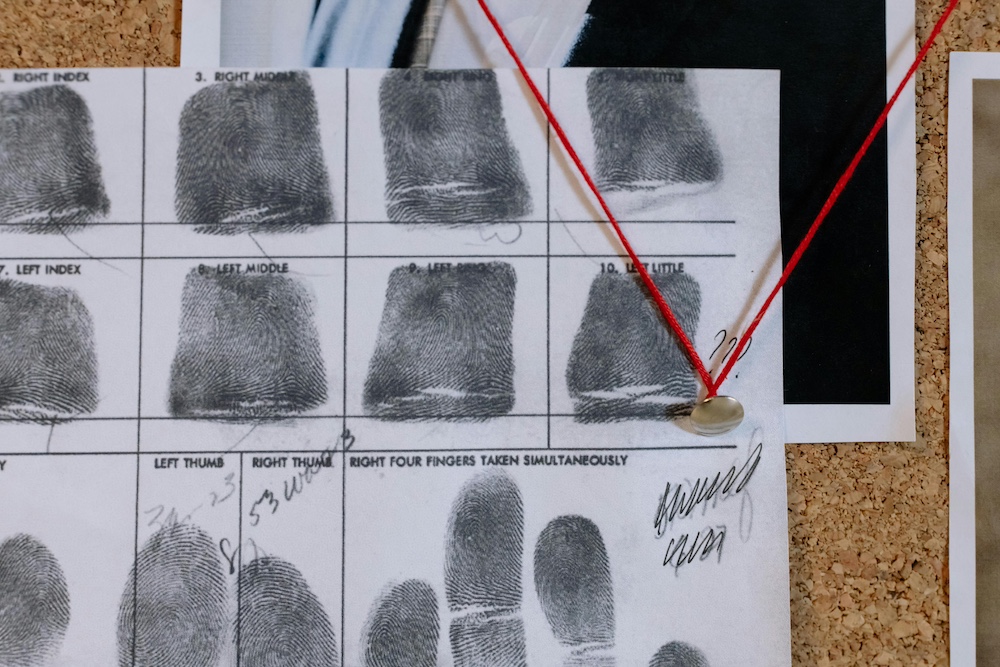
The process of applying for a pardon begins with collecting all necessary documents. This includes obtaining fingerprints, requesting a criminal record from the RCMP, securing court documents that confirm the completion of your sentence, and in some cases, getting proof of payment of fines or restitution. Applicants must also provide local police records to confirm their behaviour in the community. Once all documents are gathered, an application form must be completed and submitted to the Parole Board of Canada along with the application fee. As of recent updates, the fee is several hundred dollars, which can be a significant expense. The Board will then review the application, assess eligibility, and determine whether granting a pardon would contribute to the rehabilitation of the individual and not bring the administration of justice into disrepute.
Why Pardons Matter
For many people in Ontario, receiving a pardon is life-changing. Employers routinely conduct criminal record checks, and a past conviction can disqualify someone from job opportunities. Professional licensing bodies may also refuse membership to individuals with records. Travel, especially to the United States, can be severely restricted if a criminal record appears in databases. A pardon removes these barriers by ensuring that the record does not appear on standard checks. Although a pardon does not guarantee entry to another country, it significantly improves the chances of being permitted to travel. For individuals seeking to volunteer, pursue education, or reintegrate fully into society, a pardon can open doors that remain closed with an active record.
Challenges in the Pardon Process
While the process may seem straightforward, applying for a pardon is complex and time-consuming. Mistakes in the application, missing documents, or misunderstandings about eligibility can result in rejection or delays that last months or even years. The Parole Board of Canada applies a rigorous standard to ensure only eligible individuals receive a pardon. This means that every detail, from accurate dates of conviction to full payment of fines, must be properly documented. Many applicants underestimate the level of precision required, which is why rejected applications are not uncommon. Starting the process with the correct guidance can save time, money, and stress.
Why You Need Assistance for a Pardon Application
Although it is possible to apply for a pardon on your own, the assistance of a criminal defence lawyer can make a substantial difference. A lawyer experienced in record suspensions can help you determine eligibility, collect the correct documents, and complete the application to meet all legal requirements. They can also advise on how to strengthen your application by demonstrating rehabilitation, community involvement, and good conduct. For individuals with complex histories or multiple convictions, legal assistance can be essential to presenting the best possible case to the Parole Board. Having professional representation increases the likelihood of success and can prevent costly errors that delay the process.
Schedule a Free Consultation with De Boyrie Law
If you are wondering how to get a pardon in Ontario and are ready to take the next step toward clearing your record, professional legal advice is essential. A lawyer can guide you through the process, and improve your chances of success. Contact us now to schedule a free, confidential consultation.

Alex is a dedicated criminal defence lawyer serving Toronto and the GTA. He has experience handling a wide range of charges including bail hearings, assault, sexual offences, drug crimes, firearms, impaired driving, and more. Known for his professionalism, availability, and strong advocacy, Alex takes pride in guiding each client with care and consistency. If you’ve been charged with a criminal offence, we offer a free consultation so you can explore your legal options with no financial risk.